
HVACR stands for Heating, Ventilation, Air Conditioning, and Refrigeration. It’s a crucial aspect of building design and operation, focusing on creating comfortable, safe, and healthy indoor environments. Here’s a breakdown of each component: Heating: Heating systems are responsible for maintaining indoor temperatures during colder months. They can use various methods such as furnaces, boilers, heat pumps, or electric heaters to generate warmth. Ventilation: Ventilation ensures the circulation of fresh air indoors while removing stale air, odors, and pollutants. It helps maintain indoor air quality by diluting and removing contaminants. Ventilation systems can be natural (using windows and vents) or mechanical (utilizing fans and ducts). Air Conditioning: Air conditioning systems regulate indoor temperature and humidity levels to create a comfortable environment, especially during hot weather. They typically use refrigeration cycles to cool and dehumidify air before circulating it throughout a building. Refrigeration: Refrigeration systems are responsible for cooling and preserving perishable items, such as food and medical supplies. They operate on similar principles as air conditioning systems but are designed for specific applications like commercial refrigeration, cold storage, and industrial processes. Introduction to HVACR involves understanding the principles, components, and technologies behind these systems, as well as their roles in maintaining indoor comfort and environmental control. It also encompasses considerations such as energy efficiency, sustainability, system design, installation, operation, and maintenance. HVACR professionals play a vital role in ensuring the efficiency, reliability, and safety of these systems in residential, commercial, and industrial settings.
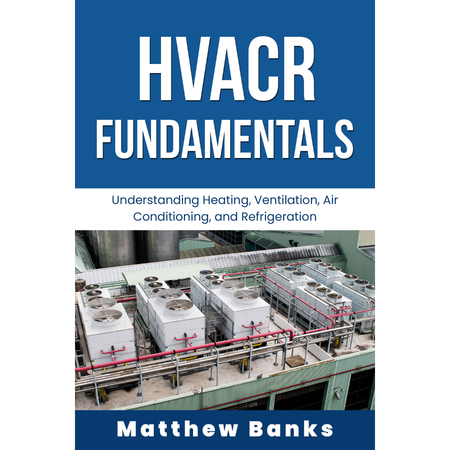
HVAC
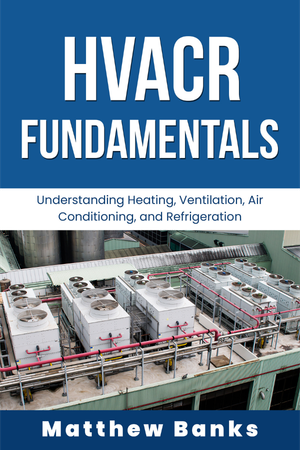
The Basics of HVACR: HVACR Fundamentals
$7.99
Understanding Heating, Ventilation, Air Conditioning, and Refrigeration


Reviews
There are no reviews yet.